
We love innovation—AI, wearables, supplements with names that sound like Marvel villains.
But somehow, the most powerful performance upgrade available to humans is the one we keep ghosting.
Sleep.
Not “I closed my eyes while scrolling.”
Not “I’ll catch up this weekend.”
Real, high-quality, boring-on-paper, wildly impressive sleep.
What looks like doing nothing is actually your body running its most advanced overnight software update.
No subscription required. No beta access needed. Still undefeated.
Sleep: The Original Immune Firewall
While you’re asleep, your immune system clocks in for the night shift.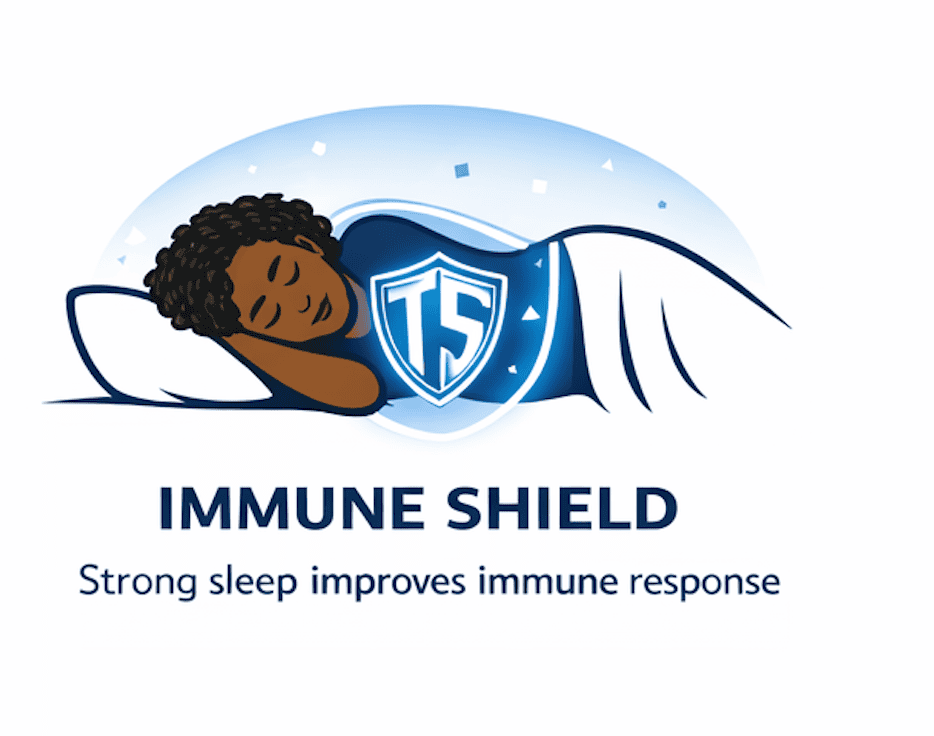
Inflammation levels drop. Immune cells regenerate. Your body scans for problems like a cybersecurity system quietly blocking threats you’ll never know existed.
Skip sleep long enough, and it’s like disabling your firewall because you wanted one more episode.
The result?
Slower recovery. More illness. Less resilience.
Sleep doesn’t just help you feel better.
It actively keeps you from breaking.
Hormones Don’t Care About Your Willpower
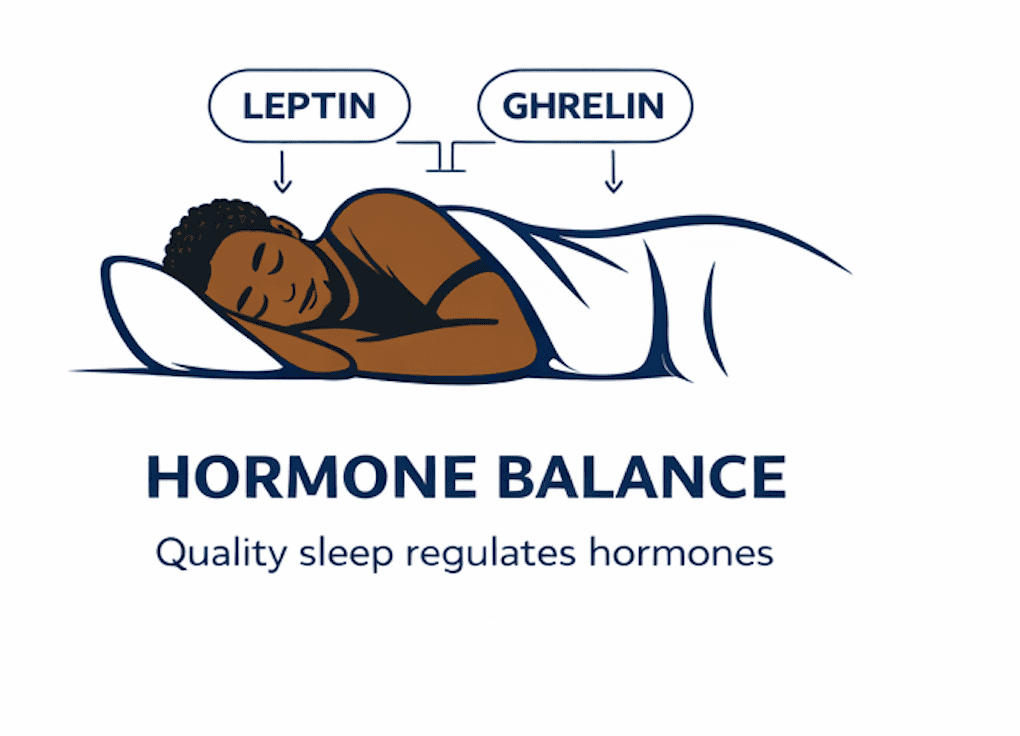
Hunger. Stress. Mood. Energy. Metabolism.
These aren’t personality traits—they’re chemical signals. And sleep is the system administrator.
When sleep is solid, hormones like leptin and ghrelin stay in balance. When sleep is trash, they start lying to you.
You’re not “weak” for craving junk food after bad sleep.
Your internal dashboard is just glitching.
Sleep doesn’t improve discipline.
It restores accurate data.
Memory Lock-In Happens After You Log Off
Your brain doesn’t learn best when you’re grinding—it learns best when you’re sleeping.
During deep sleep, the brain sorts through the day’s information, deciding what’s worth saving and what deserves the digital trash bin. Patterns get reinforced. Ideas connect. Knowledge becomes usable.
That’s why insights show up in the morning instead of at 2 a.m. staring at the ceiling.
Sleep is where thinking turns into intelligence.
Muscle Recovery: Built After Hours
Every workout, every stressful day, every long meeting does microscopic damage to your body.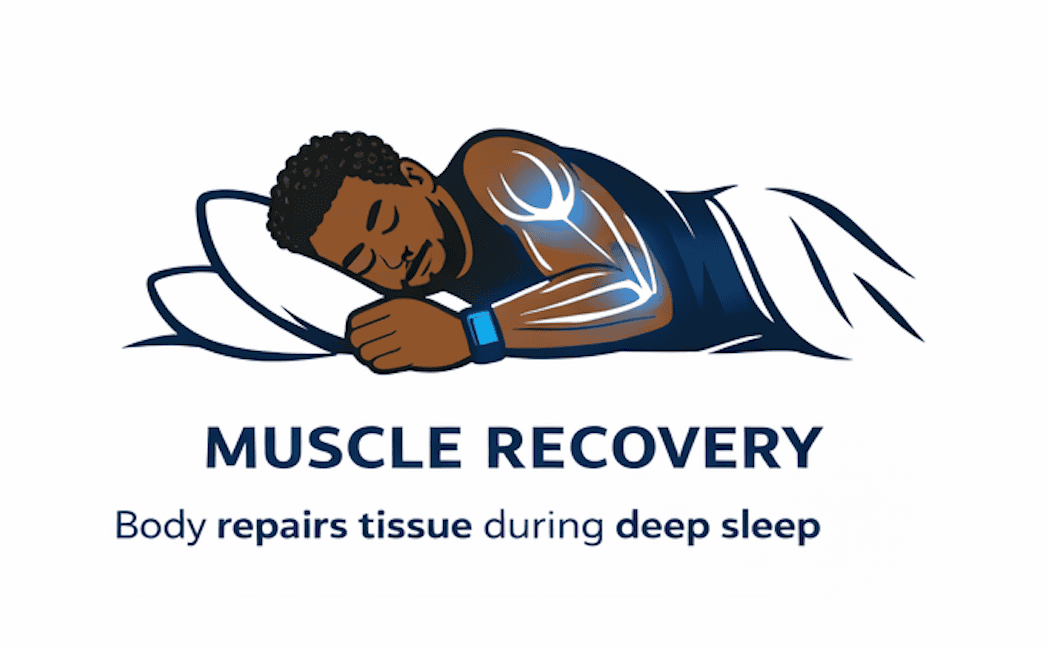
Sleep is when the repairs happen.
Growth hormone peaks. Tissues rebuild. Energy stores refill. Your body literally upgrades itself while you’re horizontal and unproductive by capitalism’s standards.
Trying to perform without sleep is like racing a car while refusing oil changes because they “take time.”
Bold strategy. Short lifespan.
Sleep Is the Only System That Upgrades Every Other System
Here’s the part most productivity conversations miss:
Sleep doesn’t improve one thing.
It improves everything else indirectly.
Think of sleep as the operating system your body runs on. Every app—focus, immunity, strength, mood, creativity—depends on it. You can install the latest tools, stack routines, and optimize workflows, but if the OS is unstable, performance degrades across the board.
This is why sleep is quietly becoming the center of innovation in health tech.
Wearables don’t replace sleep—they measure it.
AI doesn’t optimize recovery—it reveals when it’s missing.
Data doesn’t create resilience—it exposes the cost of ignoring it.
The future of human performance isn’t about doing more while awake.
It’s about engineering better nights so days run cleaner.
Sleep is the only intervention that:
-
Scales across mental, physical, and emotional systems
-
Requires no external inputs
-
Improves outcomes without adding cognitive load
-
Compounds quietly over time
Every serious system—biological or technological—needs downtime to stay stable.
Sleep isn’t a luxury feature.
It’s the infrastructure layer.
Ignore it, and everything downstream pays the price.
Consistency Beats Hacks Every Time
The secret isn’t one perfect night—it’s rhythm.
Consistent sleep trains your body when to repair, defend, and reset. Over time, that rhythm compounds into better health, sharper thinking, and energy that doesn’t depend on caffeine negotiations.
No wearable replaces it.
No supplement outperforms it.
No mindset hacks its way around it.
Sleep isn’t what happens after the work is done.
It’s the infrastructure that makes everything else possible.
So yes—set the alarm.
But also respect the system that’s been quietly optimizing humans since forever.